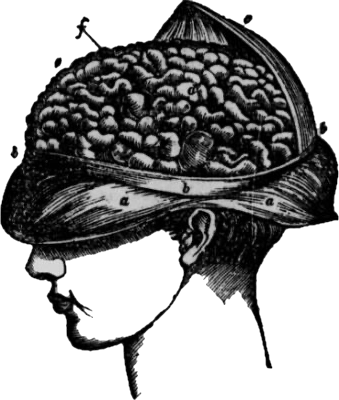
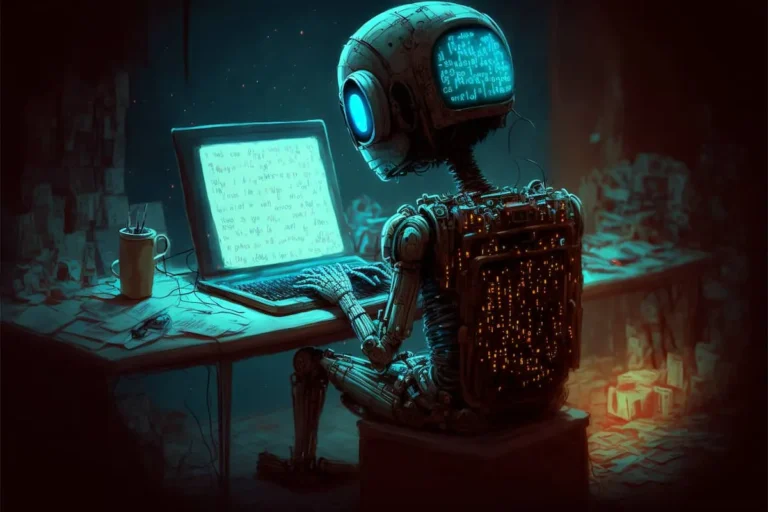
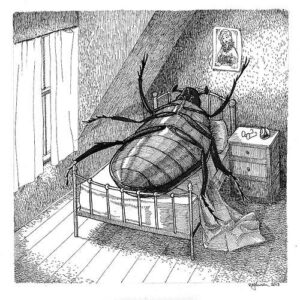
 “Today I woke up from a really weird, or I would say strange dream –– a good kind of strange –– you know. I felt like not getting out of bed, but I had to rush to work as usual— get freshened up, make breakfast, and leave for work –– in pursuit of endless materialistic dreams. I knew that the more awake I became, the more the dream would slip away. Yet, I got up, from being human to becoming a robot for the day. I didn’t have the bandwidth to dwell on the dream. It carried glimpses of my childhood memories, except we were no longer children. We were adults, reliving the same moments as adults, old pals I had forgotten about, and their faces felt so clear, as if they had been waiting quietly somewhere in the back of my mind. I wanted to stay with that feeling a little longer. But it’s Monday.”
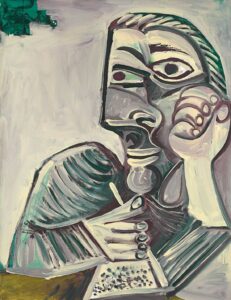
Can you expect AI to give you such experiences in the same human tone or point of view?
Not really.
It can generate words. But it cannot carry the weight of memory, routine, longing, or Monday mornings the way a human can.
AI can describe a strange dream. It can generate a scene about childhood memories, forgotten friends, and familiar faces. But it cannot wake up disoriented, lie in bed thinking about a dream, or feel the strange ache of remembering people it has not thought about in years.
AI can polish your thoughts, make sentences out of your fragmented ones, follow your instructions, summarize your ideas, give structure to your writing, and edit your words and grammatical errors, but it cannot own your tone or voice. Thats is unique. Every human experience is different, just as every blade of grass is different.”
That feeling — of being pulled between memory and routine, between the emotional residue of a dream and the practical urgency of getting ready for work — is deeply human.
AI can imitate the language of experience. But it cannot have one. What humans can do, AI cant. AI can produce sentences, structure arguments, imitate tone, and even create writing that appears thoughtful. But whether it truly “writes” depends on what we mean by writing.
If writing is simply arranging words in a coherent order, then yes — AI writes.
But if writing is:
- noticing something deeply human
- transforming experience into language
- understanding contradiction, grief, love, shame, memory, silence
- saying something because you have lived it
AI also loves breaking things down into structured lists and bullet points, even when it feels sudden because that’s the only way humans can consume information now, right? RIGHT?
Then AI does not write in the way humans do.
AI assembles language based on patterns. It predicts what word is likely to come next. It has no childhood memory, heartbreak, humiliation, longing, or private fear. It has never watched someone pause before answering a difficult question. It has never sat in a room after an argument and felt the weight of what was not said.
Human writing is shaped by experience.
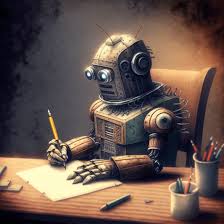 AI-generated writing can sound polished, but often feels strangely empty because it lacks genuine perception. It can describe sadness, but it cannot know sadness. It can imitate vulnerability, but it cannot risk vulnerability.
That is why human voice matters more than ever. Today, anyone can generate paragraphs instantly, what becomes valuable is not perfect grammar or fast production. What becomes valuable is:
- original observation of texts, conversations, expressions, situations, feelings or emotions
- refrences from our real life incidents, history and literature we have read
- emotional truth, contradictions of human emotions, good or bad, or hard to comprehend
- a distinct voice, every human experience is different from the other, every voice is unique and carries distinctive tone.
- the ability to notice what others miss, original thought, creativity or a new idea
AI may become very good at assembling words. But great writing has never been only about words. It has always been about seeing and experiencing.
How amazingly you described what AI will always never have.
I don’t think there is a better way to describe what it means to means to create.
Wonderful narration, brilliant with comparison which makes it so clear to understand not only the difference in creative output of AI and Human but to comprehend how to be a true Artist or how a true piece of Art is actually created, seems like the lack of life or living experience in AI is quite evident in all the AI art pieces in all spectrum.
Just like you I also don’t think AI can ever replace us creatively unless it experience trauma and joy of existence with absurdity in both.
Thank you. Its beautiful what you have said.
The absence of consciousness in ai wouldn’t have been explained better .
Thank you Latasha 🙂